Explore Your Blood Donation Options
There is more than one way to save a life. Depending on your blood type and the current needs of patients in our community, you can choose the donation method that makes the biggest impact. Explore the options below to learn about the different ways you can give and find the right fit for you.
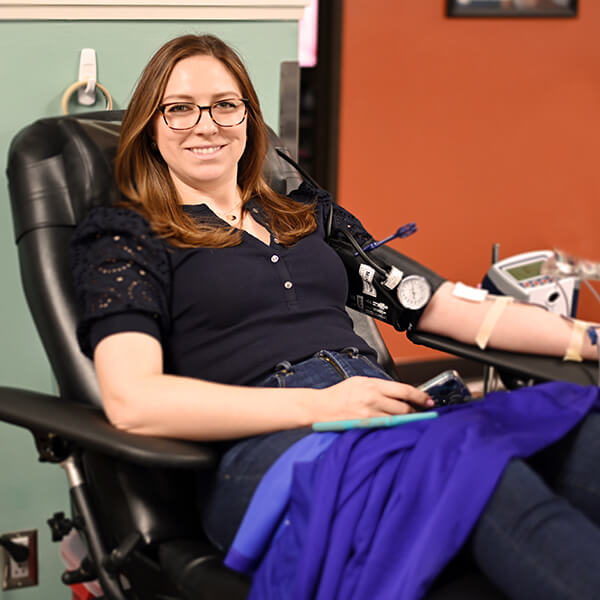
Whole Blood Donations
Whole blood donation is the most widely used form of blood donation and one of the most powerful ways to help patients in need. During a single donation, one pint of blood is collected and separated into red blood cells, platelets, and plasma to support a wide range of treatments, from trauma care to cancer therapy.
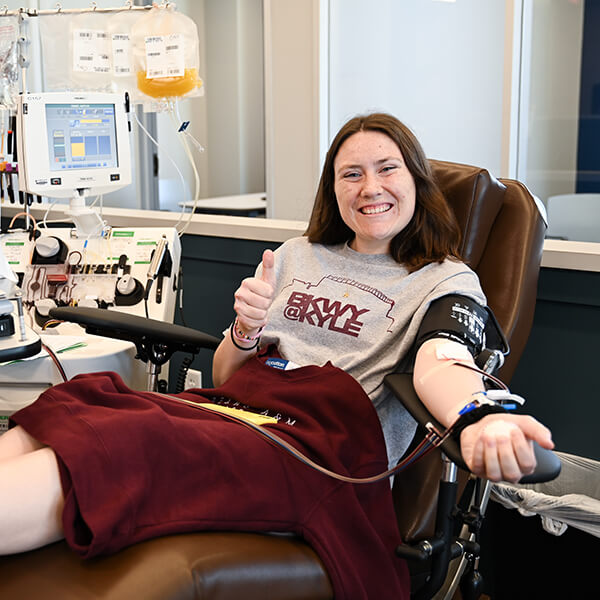
Automated Donations
Automated donations use advanced technology to collect only the blood components patients need most, while safely returning the rest of your blood to you. Depending on your blood type and current demand, you may be asked to donate platelets, plasma, or double red cells. The collections staff will guide you on the option that will have the greatest impact.
Special Types of Donations
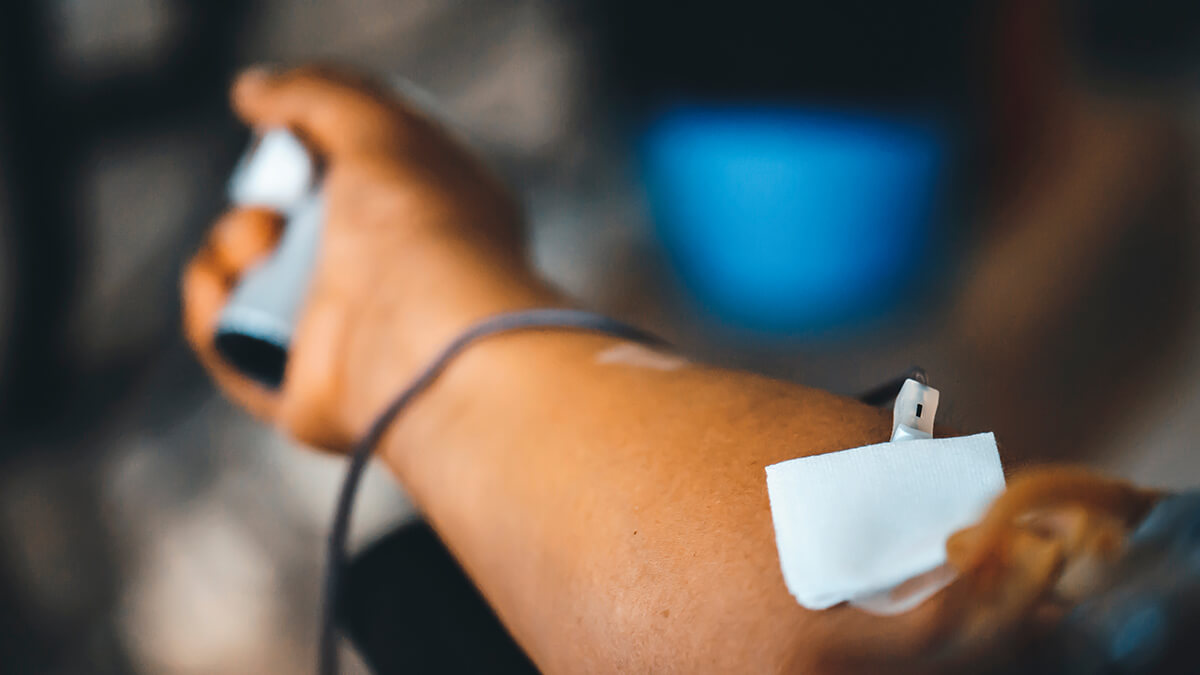
Autologous and Directed Donations
An autologous donation is when a patient donates blood for their own use.
A directed donation is when a friend or family member donates blood for a specific patient.
Both programs require written physician’s order.
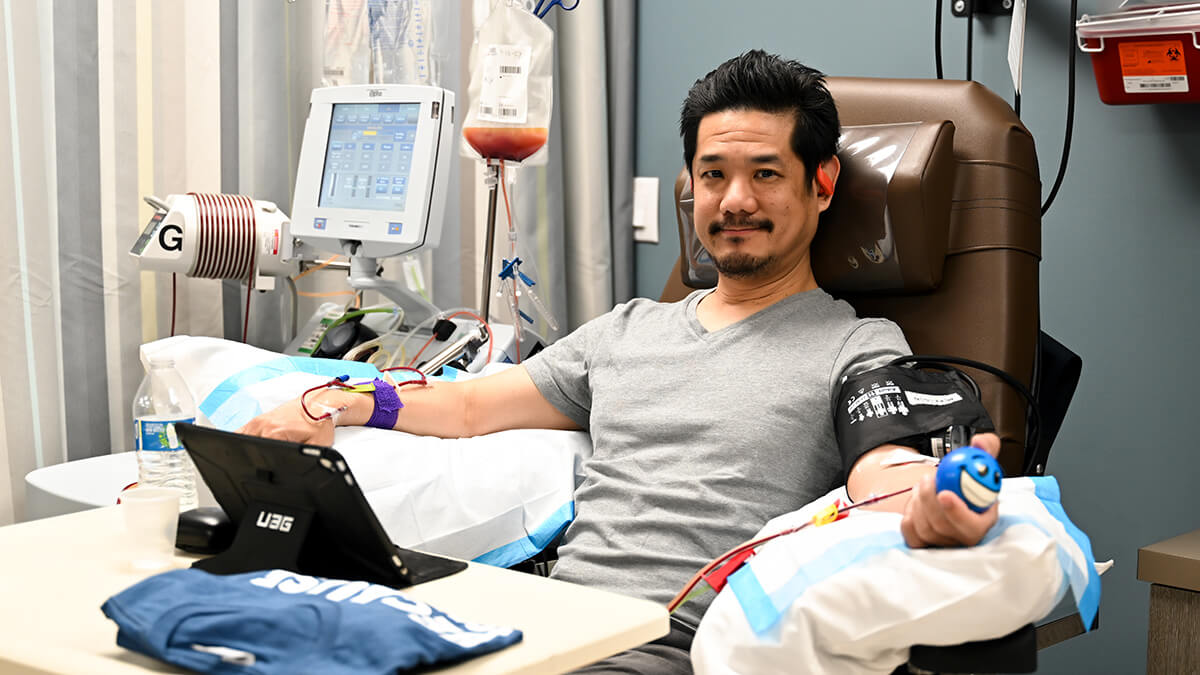
Advanced Therapies | Leukopak Donations
Leukopak donations collect large quantities of white blood cells through an automated process. These cells are used in advanced medical research, including cancer immunotherapy and the development of cell and gene therapies.
Therapeutic Phlebotomy
Therapeutic Phlebotomy is an important part of treatment for individuals with medical conditions that cause increased red blood cells.
-
Hemochromatosis Donors: Individuals with hereditary hemochromatosis can safely donate blood to help manage iron levels while also providing lifesaving transfusions for patients in need. These donations help manage iron levels while also providing lifesaving transfusions for patients in need. These donors do not require a doctor’s order to donate if otherwise eligible as a volunteer donor, provided donations are no more frequent than every 8 weeks.
-
Testosterone Therapy Donors: Individuals undergoing testosterone replacement therapy may donate blood for transfusion. Your donation ensures a steady blood supply and supports patients who depend on it for recovery. These donors do not require a doctor’s order to donate if otherwise eligible as a volunteer donor, provided donations are no more frequent than every 8 weeks.
Gulf Coast Blood requires 1,000 donations every day to meet community needs. By committing to donate regularly, you help ensure that blood components are always available when patients’ lives depend on them.

MEET ASHLYN
The Power of Blood Donations: Ashlyn's Story